

Urgent request from the National Blood Center to the public and organizations – invited to donate blood
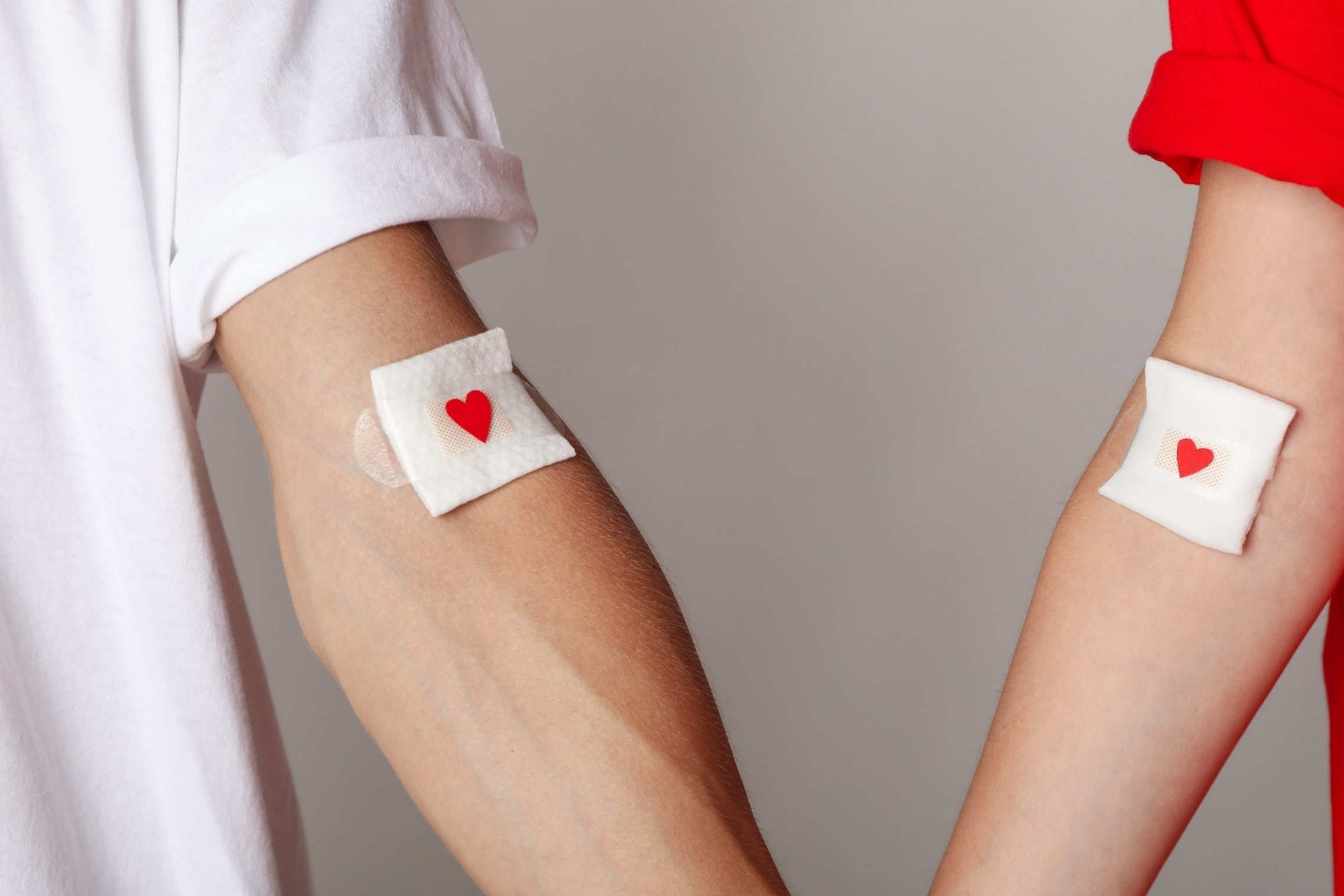
The National Blood Center (NBC) reports that, midway through the summer, the reserves of almost all blood types are critically low. At present, there is a particular shortage of blood types I+(O+), I-(O-), II+(A+), II-(A-), III+(B+), IV(AB-). Therefore, the NBC urges the public, if possible, to visit the nearest NBC donation centers as soon as possible to donate blood. The appeal is also extended to large businesses, organizations, and institutions that can gather at least 30 people willing to donate blood – in such cases, an NBC mobile team with the necessary equipment will come to conduct the donations on-site.
According to Health Vice-Minister Jelena Čelutkienė, the role of blood donors in the healthcare system is especially important, as the blood they donate ensures the continuous and uninterrupted provision of services to patients.
"That is precisely why we respond to situations when blood supplies run low and urge the public, businesses, organizations, and institutions to contribute by donating blood to those who need it most – patients being treated in healthcare facilities. The few minutes you spend making a donation can save up to three lives," says Vice-Minister J. Čelutkienė.
According to Daumantas Gutauskas, Director of the National Blood Center (NBC), periodically low blood supplies are usually related to seasonality. This is especially noticeable in the summer, when many people go on vacation, take a break from work and daily routines, and donate blood less frequently.
"At present, the situation is approaching a critical level – the reserves of almost all blood types are rapidly decreasing. Without sufficient replenishment, in three days there may be a shortage of blood in healthcare facilities, where it is needed continuously and without interruption, as medical staff save lives every day, perform surgeries, assist with childbirth, and provide care to patients in intensive care units," says D. Gutauskas.
That is precisely why, according to the Director of the National Blood Center (NBC), we urge everyone who can to visit the nearest blood center as soon as possible and help save lives, and we call on businesses, organizations, and institutions that can gather at least 30 people willing to donate blood to invite an NBC mobile team to come to their location.

The National Blood Center (NBC) reminds that any healthy person aged 18–65 can donate blood: men up to six times per year, and women up to four times. People who have had or currently have oncological diseases, hepatitis B or C, syphilis, human immunodeficiency virus (HIV), or other serious chronic, recurrent blood circulation or immune system disorders cannot be donors. If blood from such a donor were transfused, it could pose a risk of infection to the patient.
According to the National Blood Center (NBC), in 2024, 41,200 donors donated blood, with a total of 76,900 donations performed, while in 2023, there were 40,100 donors and 72,300 donations.