

To improve cancer data quality and strengthen cancer control, Europe is beginning to implement the “CancerWatch” program
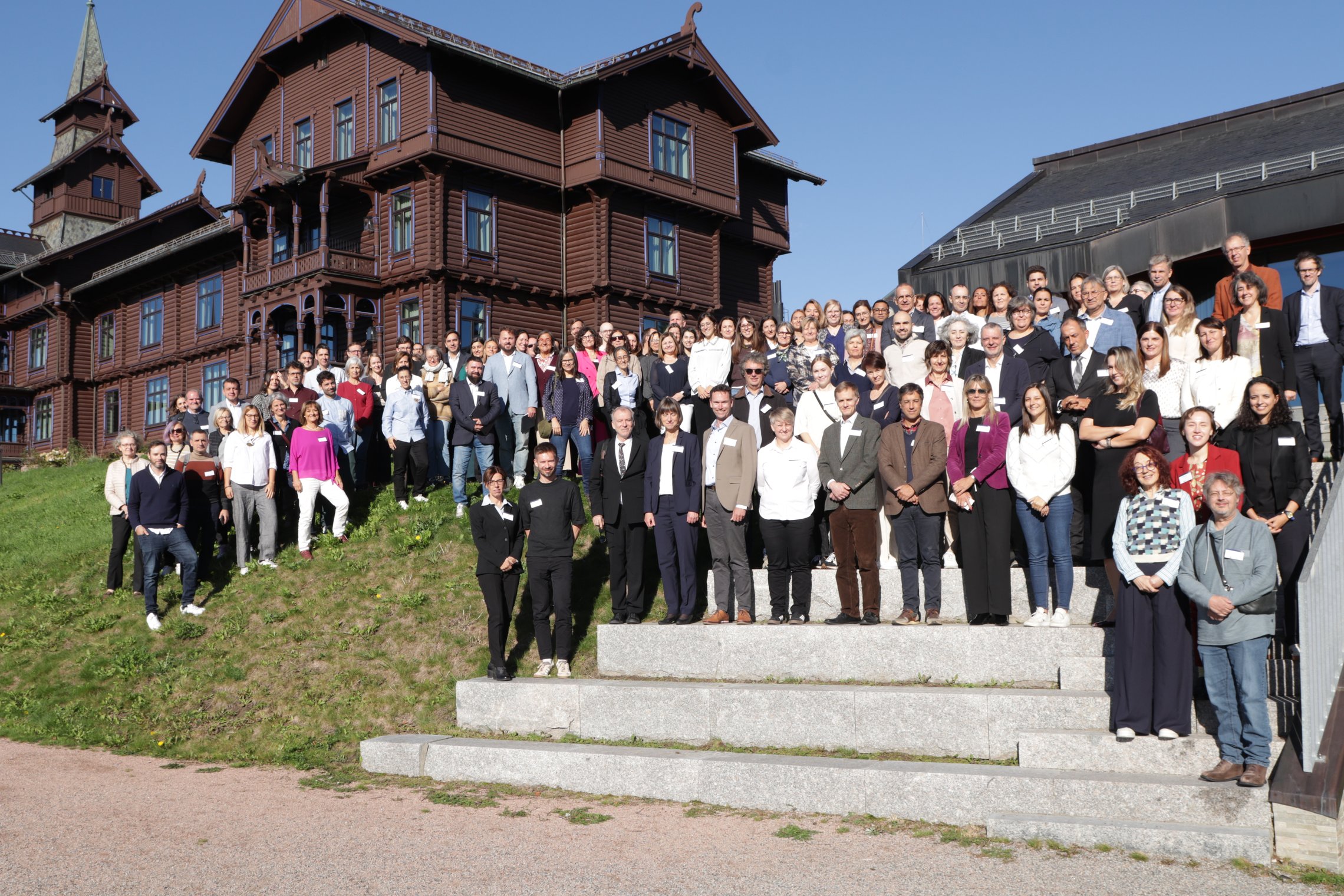
This week, “CancerWatch” was launched in Oslo – a new EU-wide initiative that will transform the way cancer data is collected, harmonized, and used across Europe. Coordinated by the Norwegian Institute of Public Health (NIPH), the “CancerWatch” initiative involves 92 partner organizations from 29 countries and aims to improve the quality, comparability, and relevance of data from Europe’s Population-Based Cancer Registries (PBCRs).
Accurate and comprehensive up-to-date cancer data are essential for monitoring trends, identifying inequalities, and assessing the impact of prevention, early detection, and treatment programs, as well as evaluating quality of life and survival. “CancerWatch” will ensure that high-quality data are included in the European Cancer Information System (ECIS), which plays a central role in implementing the Europe’s Beating Cancer Plan and managing the European Cancer Inequalities Registry (ECIR).
To ensure Lithuania’s full participation in the collection, harmonization, and use of cancer data in Europe, the “CancerWatch” project also involves the Ministry of Health of the Republic of Lithuania, the National Cancer Center (NCC), and the National Cancer Institute (NCI).
Why is this important?
Currently, cancer data in Europe vary in quality, coverage, and timeliness. In some regions, not all data are recorded, while in others only data from several years ago are available.
“CancerWatch” will:
Support cancer registries to collect more comprehensive and timely data using digital innovations;
Harmonize data quality standards across countries according to European and international guidelines;
Develop technical solutions to remove legal and GDPR-related barriers to sharing individual data, ensuring safe use of aggregated statistical data;
Improve survival rates, reduce incidence, and track other key cancer indicators, ensuring they are updated in ECIS and suitable for policy-making;
Prepare cancer registries for integration into the European Health Data Space (EHDS).
Europe-Wide Efforts
“CancerWatch” brings together national cancer registries, public health institutes, research organizations, and health ministries to collaboratively strengthen Europe’s cancer data infrastructure. Through these joint efforts, new tools, common methodologies, and guidelines for future cancer indicators will be developed, and opportunities will be identified to expand registry coverage to currently unrepresented regions.
“By improving the quality and relevance of Europe’s cancer data, ‘CancerWatch’ will help ensure that policy and scientific research are based on the best available evidence, ultimately saving lives and enhancing the quality of life for cancer survivors,” said Giske Ursin, project coordinator at the Norwegian Institute of Public Health.
“Better data means better cancer control. With ‘CancerWatch,’ we are laying the foundations for more effective prevention, diagnosis, treatment, and equitable access to healthcare across Europe,” added Gijs Geleijnse, scientific coordinator at the Norwegian Institute of Public Health.
Philippe Roux, Head of the Cancer Health in All Policies Unit at the European Commission’s Directorate-General for Health and Food Safety, emphasizes the importance of “CancerWatch.” “The European Cancer Inequalities Registry (ECIR) is a vital policy tool that helps EU Member States identify inequalities in cancer prevention, care, and outcomes, as well as areas for improvement. I strongly encourage all countries and stakeholders to make use of it. Fundamentally, ECIR relies on high-quality population-based cancer data. By implementing joint actions through ‘CancerWatch,’ we will strengthen the registry and provide timely insights on how to reduce cancer inequalities across Europe.”
Context
Population-based cancer registries have been the foundation of cancer surveillance in Europe for decades, enabling countries to monitor incidence, mortality, and survival. Due to differences in legal systems, interoperability, and resources, the completeness and timeliness of data vary greatly. “CancerWatch” builds on the work of the European Network of Cancer Registries (ENCR), the Joint Research Centre (JRC), and international partners such as the International Agency for Research on Cancer (IARC), coordinating efforts to provide faster and more reliable insights.
About the Project
Duration – 36 months (September 2025–August 2028)
Coordinator – Norwegian Institute of Public Health (NIPH)
Partners – 92 organizations in 29 countries, including 58 cancer registries
Funding – EU4Health program (grant agreement No. CR-g-24-40)
More information can be found at https://www.encr.eu/CancerWatch
Media contacts
Jolanda Sinha – Netherlands Comprehensive Cancer Organisation (IKNL)
+31 6 34 62 0229
[email protected]