

Health ministers of the Baltic countries signed a memorandum on ensuring uninterrupted blood supply during emergency situations
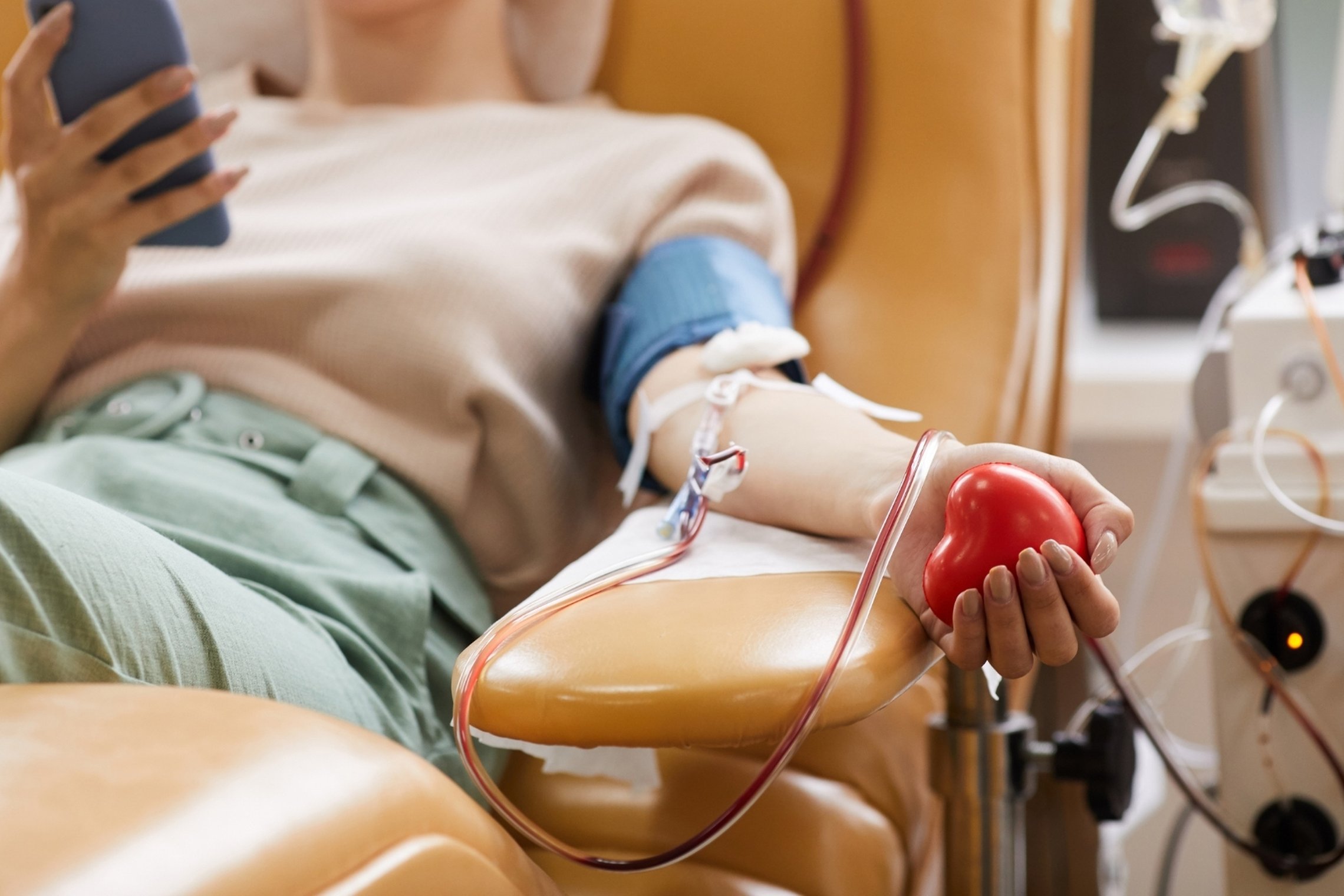
At the Baltic Assembly conference held in Riga, Latvia, on December 12, Lithuania’s Minister of Health Marija Jakubauskienė, Estonia’s Minister of Social Affairs Karmen Joller, and Latvia’s Minister of Health Hosams Abu Meri signed a memorandum agreeing to closely cooperate in the field of healthcare during emergency situations, to promote voluntary unpaid blood donation, and to supply blood components, equipment, and materials for the use of blood and its components for humanitarian purposes among the Baltic countries.
The agreement signed by the ministers covers issues related to cooperation in the supply of blood and its components, as well as equipment and materials, during crisis situations, especially in cases of temporary shortages that could lead to a healthcare crisis.
This document was signed in response to the ongoing unjustified aggression against Ukraine, which poses a threat to other countries as well and requires effective contingency planning and cooperation among national healthcare systems.
Under this memorandum, Lithuania’s National Blood Center (NKC) is authorized to establish direct contacts and conclude additional agreements between the countries, as well as to implement and oversee them.
According to Minister of Health Marija Jakubauskienė, voluntary unpaid blood donation is a very important part of every country’s healthcare system, enabling medical professionals to provide essential assistance to injured citizens, soldiers, and volunteers, and to save lives.
“A properly coordinated blood donation system in the Baltic countries can function without disruption even under extreme conditions. It is very important for us to use Ukraine’s experience, where the blood donation system has been able to withstand the challenges caused by war by adequately equipping blood centers with essential equipment, generators, and by setting up additional donation sites. The signed agreement will allow for even smoother coordination of joint actions among the countries and better preparedness for crisis situations,” said Minister Marija Jakubauskienė.
According to Daumantas Gutauskas, Director of the NKC, our country’s blood donation system is already prepared to operate under extreme conditions, as we continuously update tactical plans while taking into account the experiences of other countries, particularly Ukraine.
“It is especially important to ensure the safety of blood components when missile strikes are occurring and there is a shortage of electricity. This memorandum will further strengthen preparedness to operate in crisis conditions, as the blood donation centers of the Baltic countries will be able, whenever needed, to take additional measures by relying on each other’s support and available resources,” said the NKC director.
According to him, during critical times, maintaining smooth blood donation operations requires not only mobilizing blood donors but also planning how to provide the necessary means for preparing blood and its components, along with sustainable logistics.
The Lithuanian National Blood Center (NKC) has, on multiple occasions, sent tens of thousands of blood collection bags to Ukraine, supplied devices for measuring hemoglobin concentration in blood, and provided emergency medical supplies such as injectable solutions, anti-inflammatory drugs, painkillers, and antiseptic liquids. It also manufactured a special vehicle for transporting large quantities of red blood cells and blood plasma.
The Ministry of Health is sending teams of Lithuanian medical professionals to Ukraine one after another, where the visiting doctors observe the realities of healthcare institutions facing enormous blood donation needs. For example, in a single small hospital where Lithuanian specialists are training, 120 liters of red blood cells and 50 liters of blood plasma are used in just one month.
Information from the National Blood Center and the Ministry of Health.