

Baltic Health Ministers Convene in Vilnius for 20th Baltic Policy Dialogue
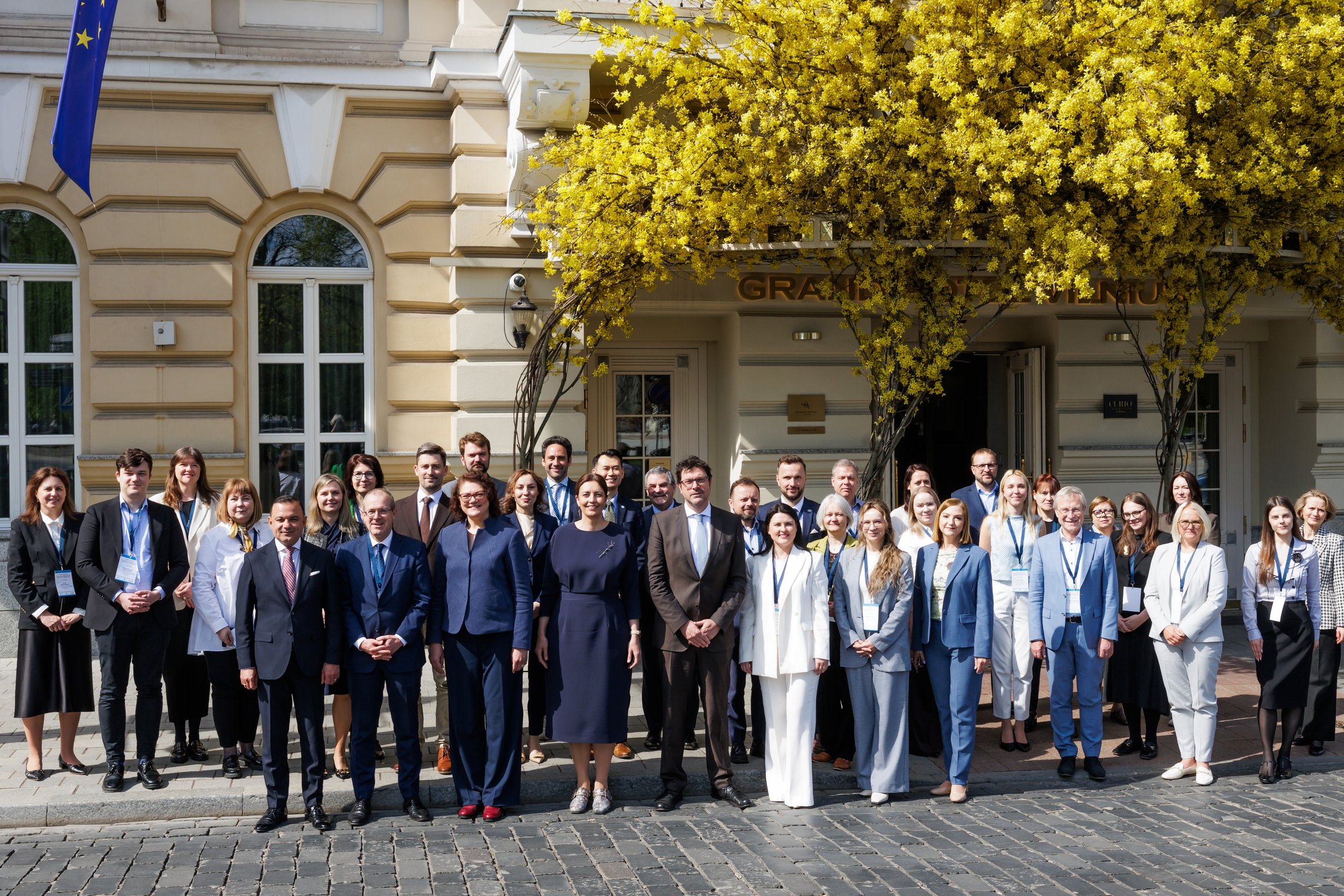
Vilnius, 6 May 2026 — Health ministers from Estonia, Latvia, and Lithuania are meeting in Vilnius today (5-6 May 2026) for the 20th edition of the Baltic Policy Dialogue (BPD), a milestone that marks two decades of structured, evidence-based health policy cooperation across the three Baltic States.
Jointly organised by the governments of Estonia, Latvia and Lithuania, the European Observatory on Health Systems and Policies and the WHO Regional Office for Europe, the BPD has since 2004 served as a unique sub-regional platform where senior health decision-makers can candidly exchange experiences, examine comparative evidence, and explore policy options. Founded in the wake of the Baltic EU accession, the BPD series was born from a shared ambition: to open a wider window into health systems across Europe and to build lasting cooperation among countries with common aspirations and shared challenges.
Over its 20 editions, the BPD series has addressed some of the most pressing health system questions facing the region, from health financing and hospital reform to pharmaceutical policy and digital health. Health has proven a powerful unifying force, transcending political cycles and government mandates to sustain a partnership that has now spanned two decades. This year's dialogue, hosted by the Lithuanian Ministry of Health, turns its attention to long-term care, examining why and how the Baltic countries should invest in sustainable, high-quality care systems for their ageing populations.
These dialogues have contributed to aligning strategic priorities, strengthening evidence-based policymaking, and promoting innovation in areas such as healthcare financing, primary health care, and system resilience. As a result, they have supported more coordinated and forward-looking health reforms in the participating countries.
Minister Marija Jakubauskienė, Minister of Health, Lithuania, said: “Over the past two decades, the Baltic Policy Dialogue has become a trusted and valuable platform for our countries to openly exchange experience, learn from one another, and jointly seek the best solutions. This consistent, evidence-informed cooperation strengthens not only our health systems, but also the mutual trust between us. I am confident that by continuing this dialogue, we can further consolidate regional expertise and act as a strong, united voice in the European health policy context.”
Minister Karmen Joller, Minister of Social Affairs, Estonia, said: “Ageing populations are making long-term care a central policy challenge across the Baltic States. In Estonia, the focus is on helping people live independently for as long as possible through strong community-based services and better coordination between health and social care. Marking 20 years of the Baltic Policy Dialogue, the meeting also highlights the value of long-standing cooperation with WHO and the European Observatory, supporting evidence-based policymaking, more resilient care systems, and continued support for Ukraine.”
Minister Hosams Abu Meri, Minister of Health, Latvia, said: “For 20 years, the Baltic Policy Dialogue has strengthened cooperation and trust across our region, providing a vital platform to share evidence, align policies, and respond to common challenges. Over the past five years, as we have stood firmly in support of Ukraine, Baltic solidarity, commitment, and unity have become especially significant. We must remain vigilant and decisive — continued cooperation will be essential to build a healthy, safe, and resilient region grounded in our shared values and responsibility.”
Dr. Hans Henri P. Kluge, WHO Regional Director for Europe, said: "This 20th Baltic Policy Dialogue is not just a number — it is proof that Lithuania, Estonia and Latvia, united in purpose, can drive lasting change. As the European Region ages, the urgency to act has never been greater. By 2050, over 200 million Europeans will be older than 65. At WHO/Europe, we believe ageing is not a burden — it is a privilege. But added years must be healthy years. The Baltic countries show what sustained commitment to health system transformation delivers: not perfection, but progress. Not uniformity, but shared direction. That is our strongest currency."
Dr Ewout van Ginneken, Director, European Observatory on Health Systems and Policies, said: "When the Baltic States joined the European Union, they were eager to engage with European health system experience and build new partnerships. The Baltic Policy Dialogue was created to support exactly that: bringing evidence to bear on shared challenges and creating a space where ministers and senior officials could speak frankly with one another. Now in its 20th edition, it stands as proof that health can be a space where cooperation transcends political cycles. That continuity builds trust, and it is that trust which makes these exchanges meaningful. We are proud to be part of this journey."
About the Baltic Policy Dialogue: The Baltic Policy Dialogue is a joint initiative of the European Observatory on Health Systems and Policies and the WHO Regional Office for Europe, held annually with the governments of Estonia, Latvia and Lithuania since 2004. It brings together senior health policymakers to share evidence and experience on key health system challenges.
Photo: Greta Skaraitienė (BNS)