

Families from Four European Countries Unite to Protect Children on the Roblox Platform
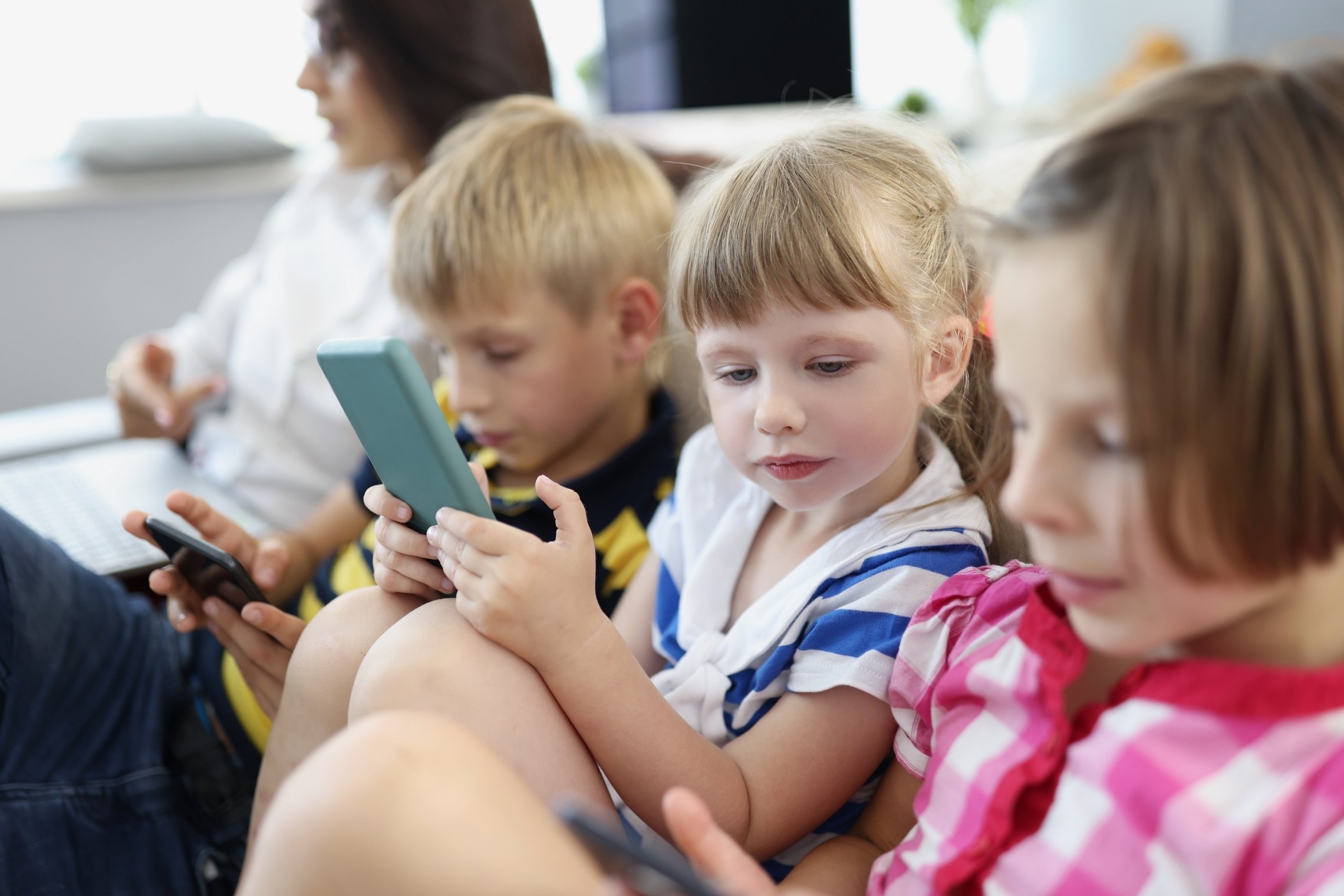
Families from Lithuania, Latvia, Slovakia and Italy are calling on the European Commission and other competent authorities to require the gaming platform Roblox to eliminate risks to children, including aggressive engagement tactics, manipulative sales practices, the normalisation of gambling, age-inappropriate content and dangerous contacts, and to protect families from harm to children’s physical and mental health.
The platform has approximately 123 million daily active users (36% under the age of 13 and 38% aged 13–17). Behind its appealing entertainment lies a range of serious risks: game design encourages children to spend as much time as possible playing, obtain random rewards and make purchases using real money. The platform also features content that is inappropriate for children (including sexualised and violent material) and provides opportunities for communication through which attempts may be made to establish contact with minors for the purposes of sexual exploitation, self-harm or criminal activities.
How Can Parents Recognise the Warning Signs?
Parents should be particularly vigilant if interactions on social media encourage children to engage in dangerous activities (e.g. self-harm, choking or strangulation challenges, prolonged sleep deprivation, secretly taking medication, or excessive consumption of energy drinks). Warning signs also include psychological pressure, shaming or threats, as well as situations where everything starts as an innocent “game” but the challenges gradually become increasingly dangerous.
7 Tips for Parents
1. Take an interest in your child’s online life. Make time to talk about what your child does online, who they communicate with and which channels they follow.
2. Strengthen your emotional bond with your child. Children who feel supported and understood by their parents are less likely to engage in dangerous activities.
3. Watch for changes in behaviour. Pay attention if your child becomes withdrawn, experiences mood swings, has changes in sleep patterns and/or appetite, shows signs of self-harm (e.g. hiding wounds under long sleeves), or spends increasingly more time in front of screens.
4. Agree on safe online behaviour. Talk to your children about how the internet contains not only useful information but also misleading or dangerous content. Explain that requests to send personal photos, share personal information or take part in secret challenges can be dangerous and should always be discussed with a trusted adult.
5. Protect your child with the help of technology. Use security software, parental control applications and filters that allow you to monitor the content your child accesses.
6. Set limits on screen time. Agree on how much time your child can spend using digital devices.
7. Seek help promptly. If you suspect that your child is experiencing psychological pressure, engaging in self-harm or being exploited, do not delay. Contact mental health professionals, the police or support services.
Where Can You Get Help?
Reliable and up-to-date information about emotional well-being and available psychological support can be found at pagalbasau.lt. Those experiencing a suicidal crisis or seeking help can visit tuesi.lt.
Children and teenagers can also access free, anonymous emotional support by calling the following helplines:
Childline (Vaikų linija): 116 111 (daily, 11:00 a.m.–11:00 p.m.).
Youth Line (Jaunimo linija): 0 800 28888 (available 24 hours a day, 7 days a week).